3D MODELING
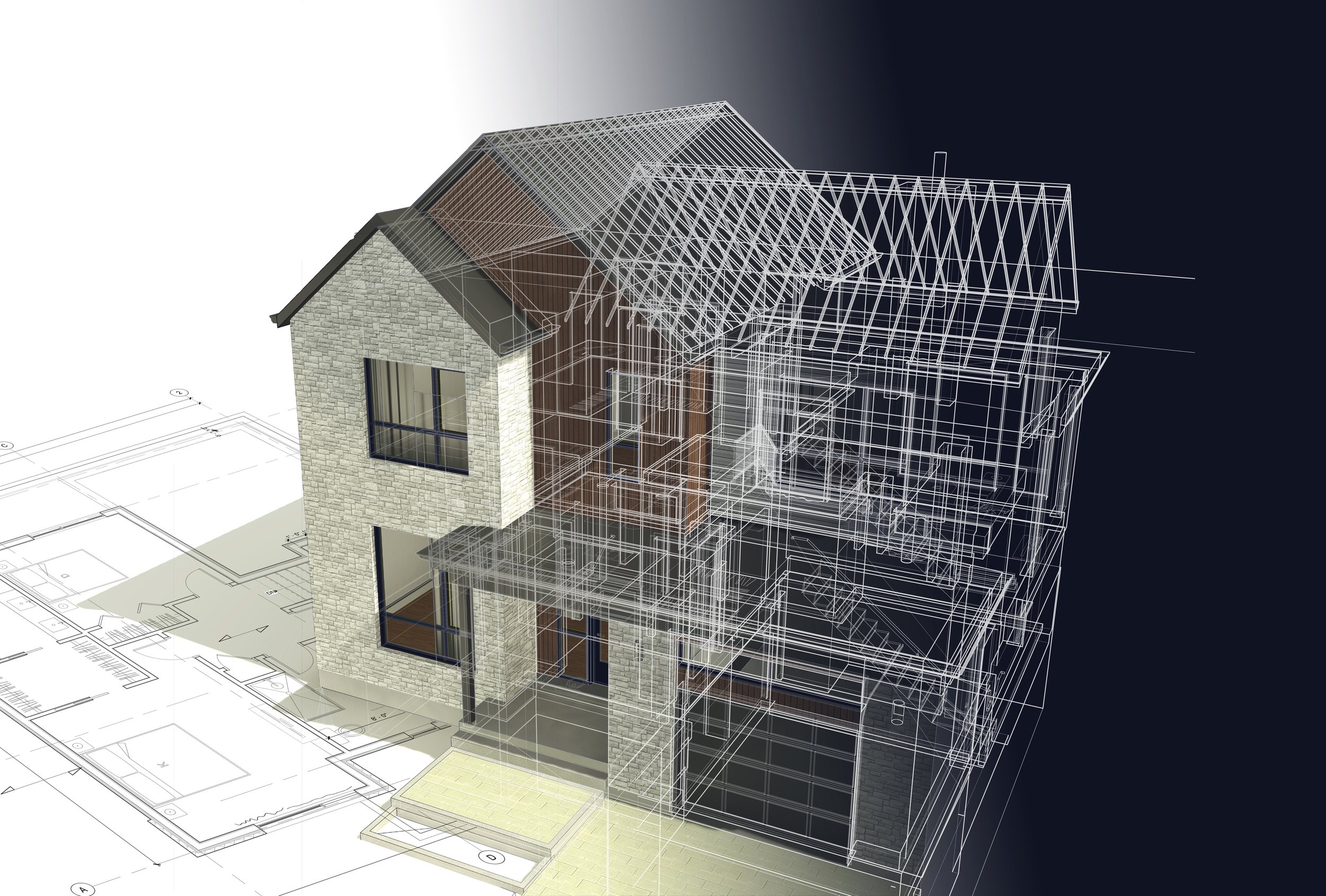
Conventional 2D architectural drawings are utilized to produce an accurate 3D digital Model.
In the context of construction LGS (Light Gauge Steel), BIM (Building Information Modeling) is a holistic process for creating and managing information for a built asset throughout its entire lifecycle.
While often mistaken for just a 3D model, BIM is a collaborative methodology that integrates multi-disciplinary data into an intelligent digital representation.
Core Components of BIM
The Model: A data-rich 3D representation containing the physical and functional characteristics of a facility (e.g., walls, beams, and equipment).
The Process: A collaborative workflow where architects, engineers, and contractors work from a "single source of truth”
The Information: The "I" in BIM refers to the embedded data—such as material specifications, cost, and maintenance schedules—that makes the model actionable.
DETAILING
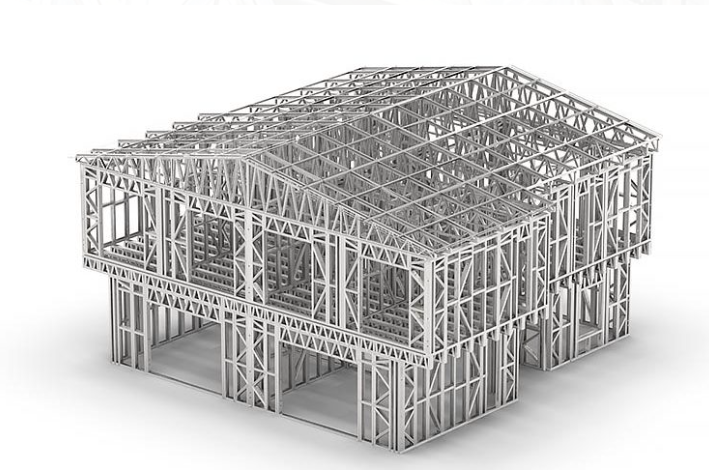
Utilizing sophisticated software to refine the 3D generated model. A digital replica of the complete structure is produced. All trades can be included to give a complete picture before real world construction starts. This digital information is used to produce detailed documentation and fed to production equipment
SHOP DRAWINGS
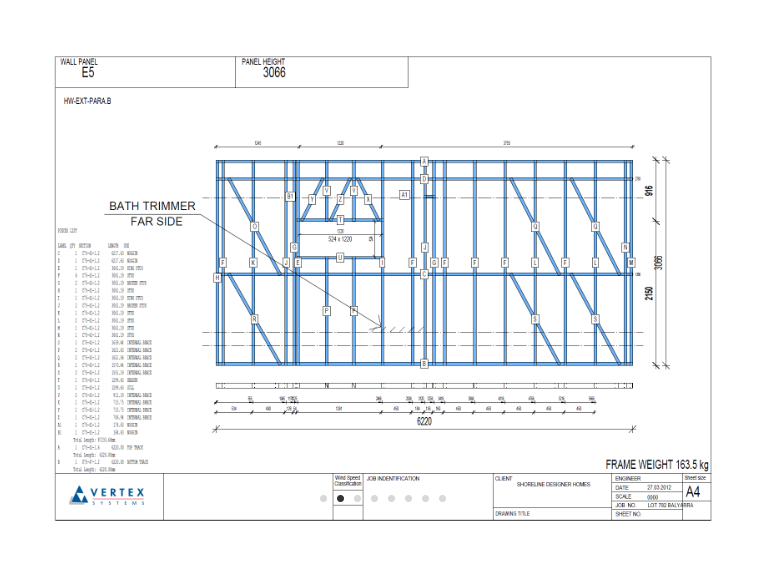
Shop drawings are detailed representations of each panel or individual truss. They have all relevant information and dimensions for the assembly of each panel.
Layout drawings will show the final placement of each panel or truss in the field. Shop drawings will be utilized for the assembly process but often are required for inspection and sigh off purposes
CNC MACHINE FILES
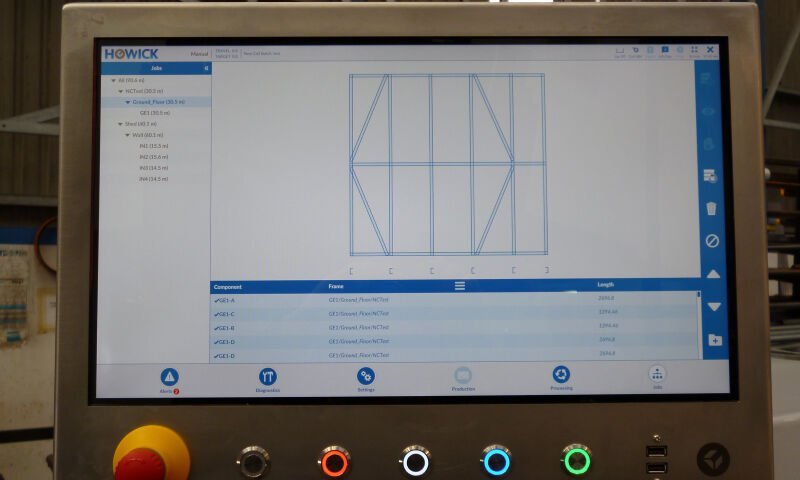
Light Gauge Steel (LGS) and BIM, CNC (Computer Numerical Control) machine files are the digital instructions that tell a fabrication machine exactly where to cut, punch, and fold steel members.
ROLLFORMING
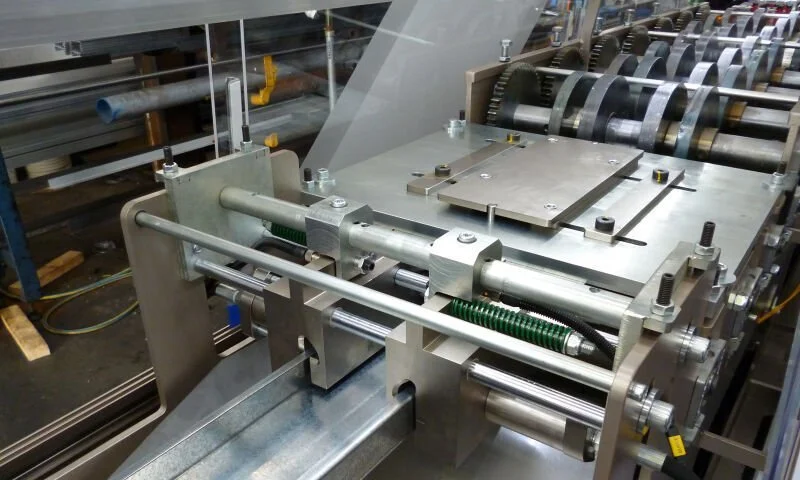
Light Gauge Steel (LGS) construction, cold rolling (or cold roll forming) is the high-speed manufacturing process that transforms flat steel coils into structural framing members at room temperature.
Unlike traditional hot rolling, which uses heat to make steel pliable, cold rolling uses mechanical force to achieve superior precision and strength.
PRODUCTION
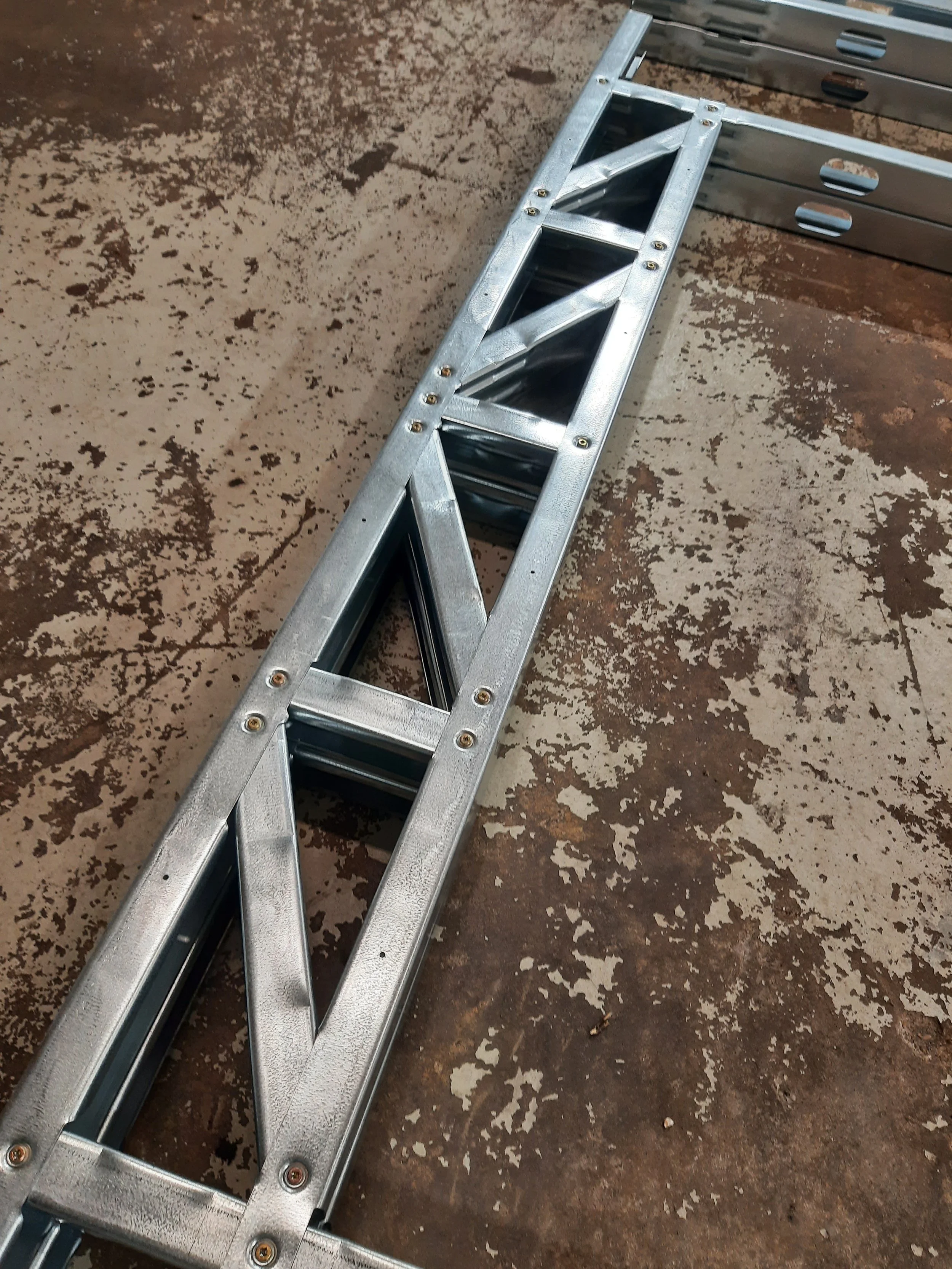
Assemble of complete components like walls or individual trusses takes place in a factory environment. This pre-assembly approach saves time and resources. Shipping the entire structure as “components” makes for simpler field assembly.
Panelized construction is an offsite, prefabricated building method where structural components like walls, floors, and roofs are manufactured in a controlled factory setting and shipped to the site for assembly. This technique reduces construction time, minimizes weather delays, and improves quality control compared to traditional stick-built methods.